

-

The Quality of the Groove Determines the Success or Failure of Automated Welding
Automated welding failures rarely begin at the arc.
More often, they start with the groove geometry long before welding even begins.
This article explores a critical reality of modern automated welding: machines do not “adapt” like human welders. Even small groove inconsistencies — root gap fluctuation, bevel deviation, or hi-lo misalignment — can directly lead to unstable penetration, poor back bead formation, and costly rework.넶0 2026-07-30 -
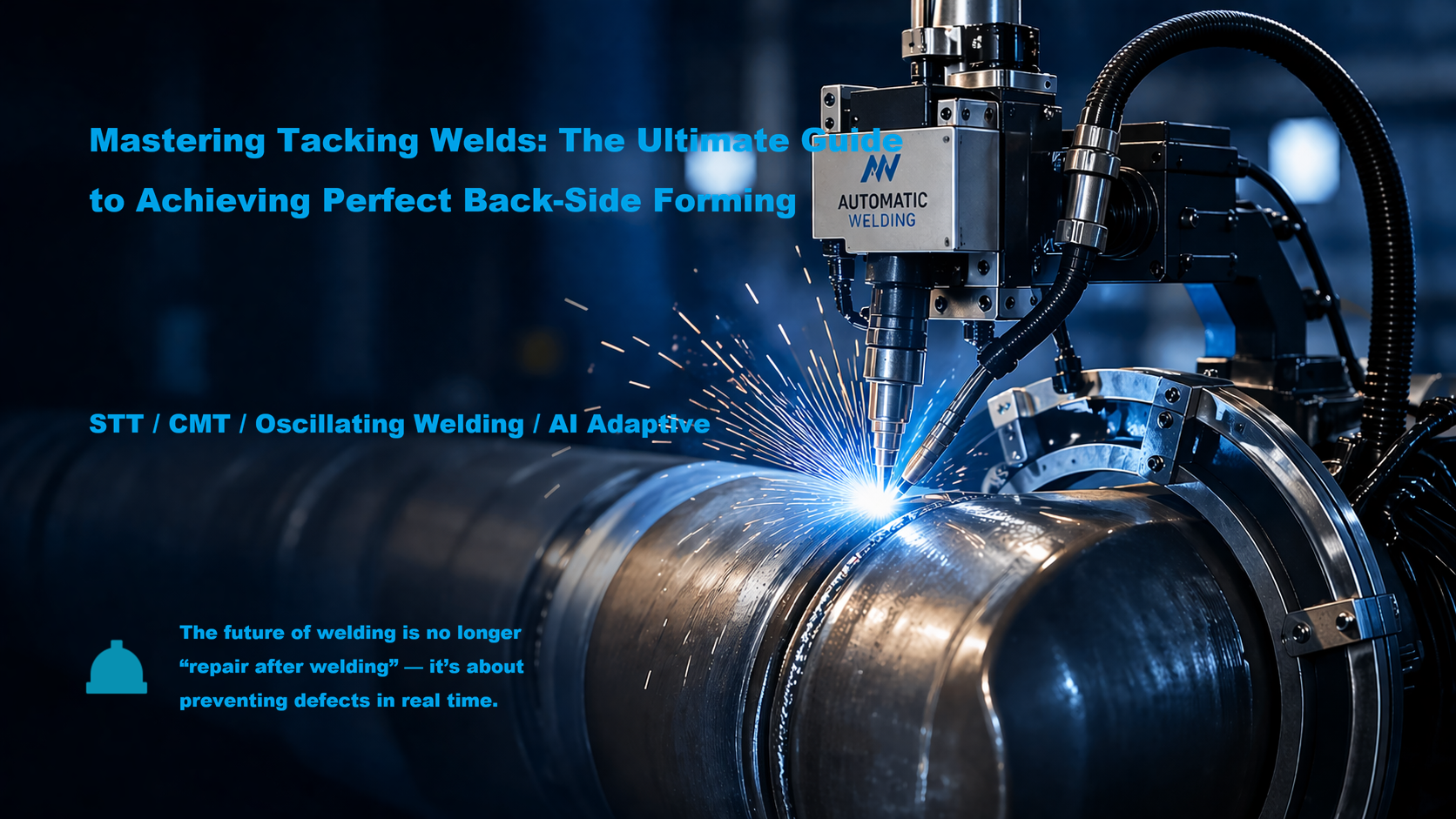
Mastering Tacking Welds: The Ultimate Guide to Achieving Perfect Back-Side Forming
In welding, the root pass isn't just the first step—it's the "weakest link." With stress concentration (Kt) reaching 2–4, a single defect can determine the fate of your entire project.
Are you still relying on "luck" to meet the strict AWS D1.1-2025 standards? It’s time to shift from "repairing" to "real-time prevention."넶7 2026-07-30 -
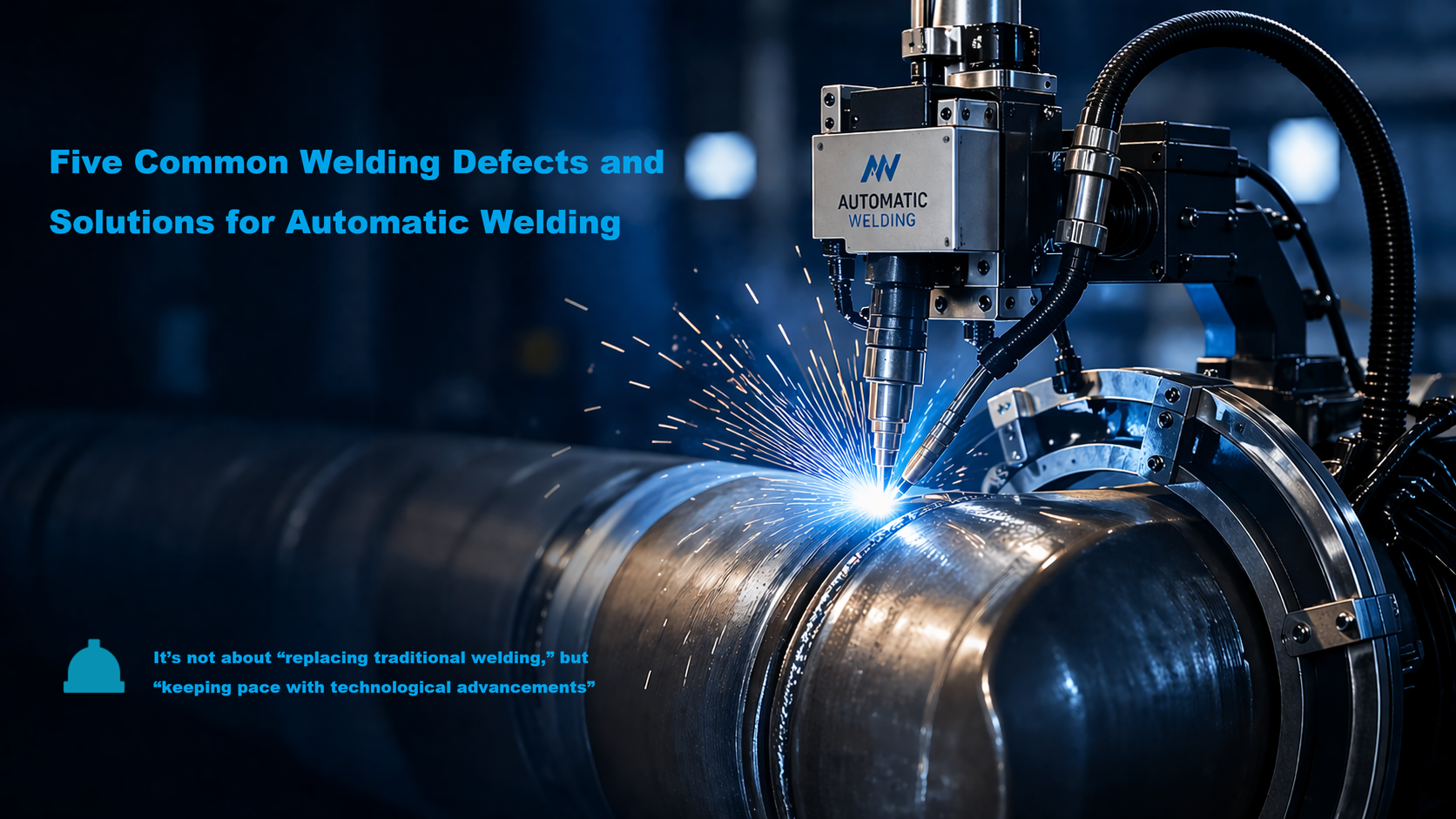
Five Common Welding Defects and Solutions for Automatic Welding
Welding is no longer about "feel" – it's about "see, think, and adjust."
Porosity, cracks, undercut, lack of fusion, and spatter – traditional welding can only fix these 5 defects after the fact. But intelligent automated welding uses vision, AI, and closed-loop control to prevent defects before they occur.
Do you want to know how to slash your weld defect rate by 60%+?
👆 Click the latest article – moving from "weld‑then‑repair" to "error‑prevention‑during‑welding."넶30 2026-07-13


